“False positives burn out analysts. False negatives burn down businesses.” Modern SOCs and security teams live in this tension, and most detection rules make it worse. Every analyst has a “hall of shame”: rules that fire hundreds of times a day and are ignored just as often. These aren’t just noisy; they actively hide real attacks.
This session is a hands-on deep dive into high-fidelity detection engineering. We move beyond simple “if X then Y” logic to focus on designing detections that produce meaningful signals in real-world environments. Drawing on practical frameworks, we will explore the core tradeoffs of defense; from deciding where to set the “sensitivity dial” of rules to understanding why perfect detection rules are impossible.
The session includes a live-style walkthrough of refactoring a noisy detection rule into a high-confidence, context-aware alert by applying enrichment, correlation, and better logic. We will look at how to move a detection from a raw, low-value event to a surgical alert that provides the stage, technique, and data validation an analyst needs instantly.
I will close by giving a repeatable workflow for high-count alerts; deciding when to fix the rule, when to group/aggregate, and when to disable detection rules that shouldn’t exist.
This is not a talk about tuning alerts, it’s about redesigning how detection rules are built.
Speakers
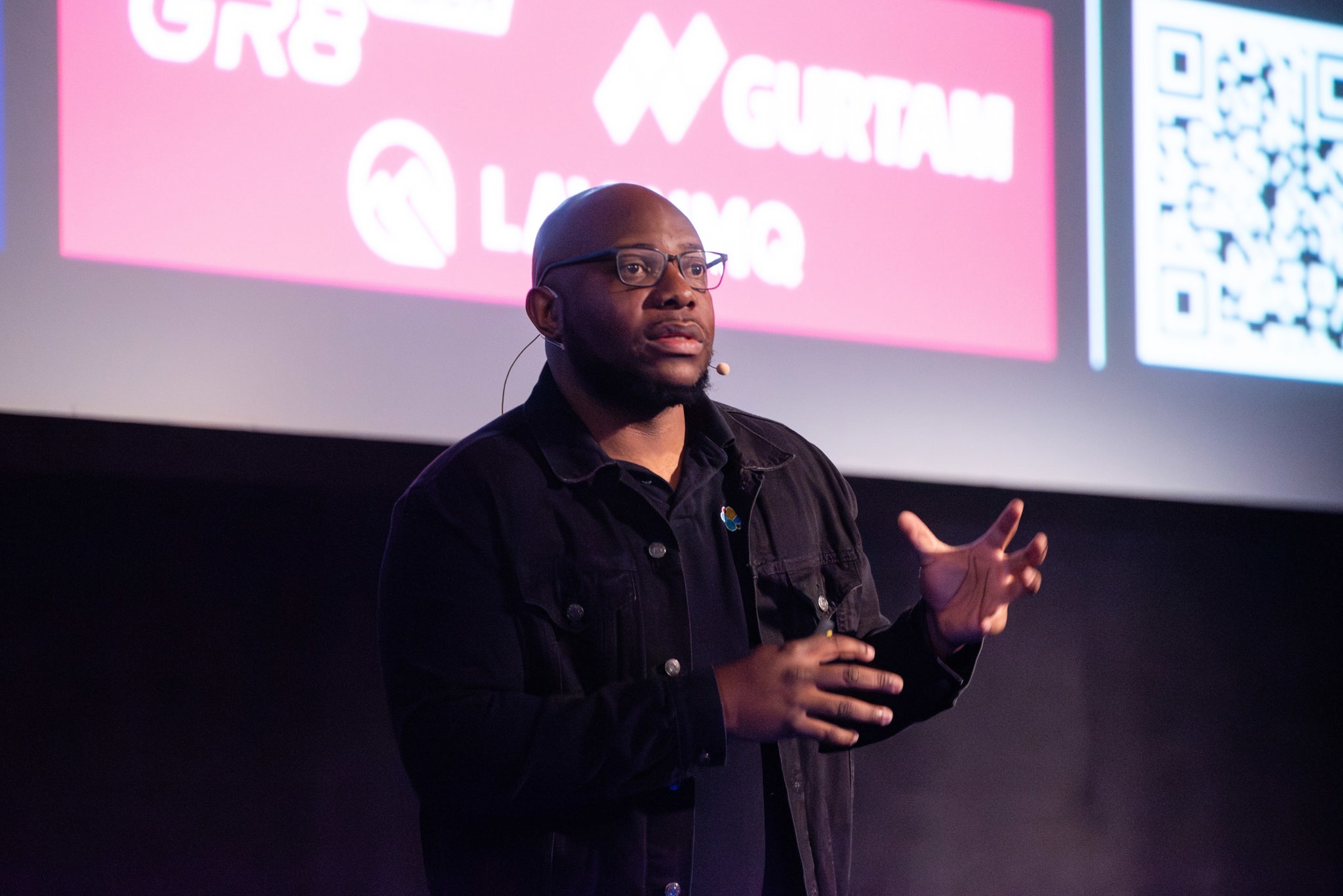
Marvin Ngoma
Principal Security Architect, Security Evangelist, Elastic
Marvin is a Principal Security Architect and Security Evangelist at Elastic, and a seasoned consultant with a strong passion for helping organizations succeed in their cybersecurity programs. He has led many projects in both the private and public sectors — architecting and building Security Operations and Intelligence capabilities, and unifying tools, processes, and people. Before Elastic, he was a security consultant at IBM and the primary SME for QRadar in the Nordics.
He frequently speaks at conferences, summits, and meetups, holds a master’s in Computer Science & Engineering from Chalmers University of Technology, and is an active member of ISC2 and other security bodies.